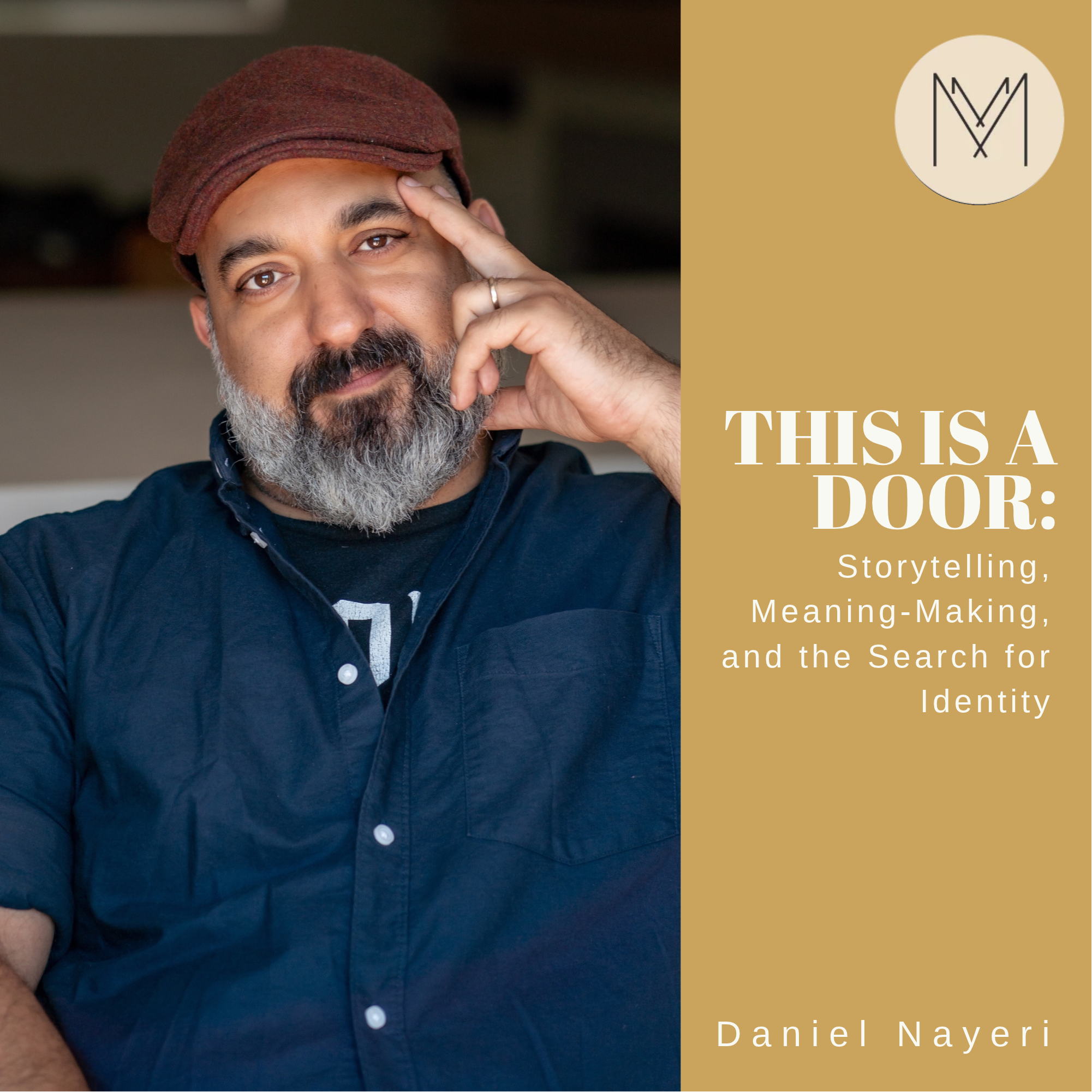
Why do we need stories? And what if the purpose of art is not simply self-expression, but a way of helping us understand what it means to be human?
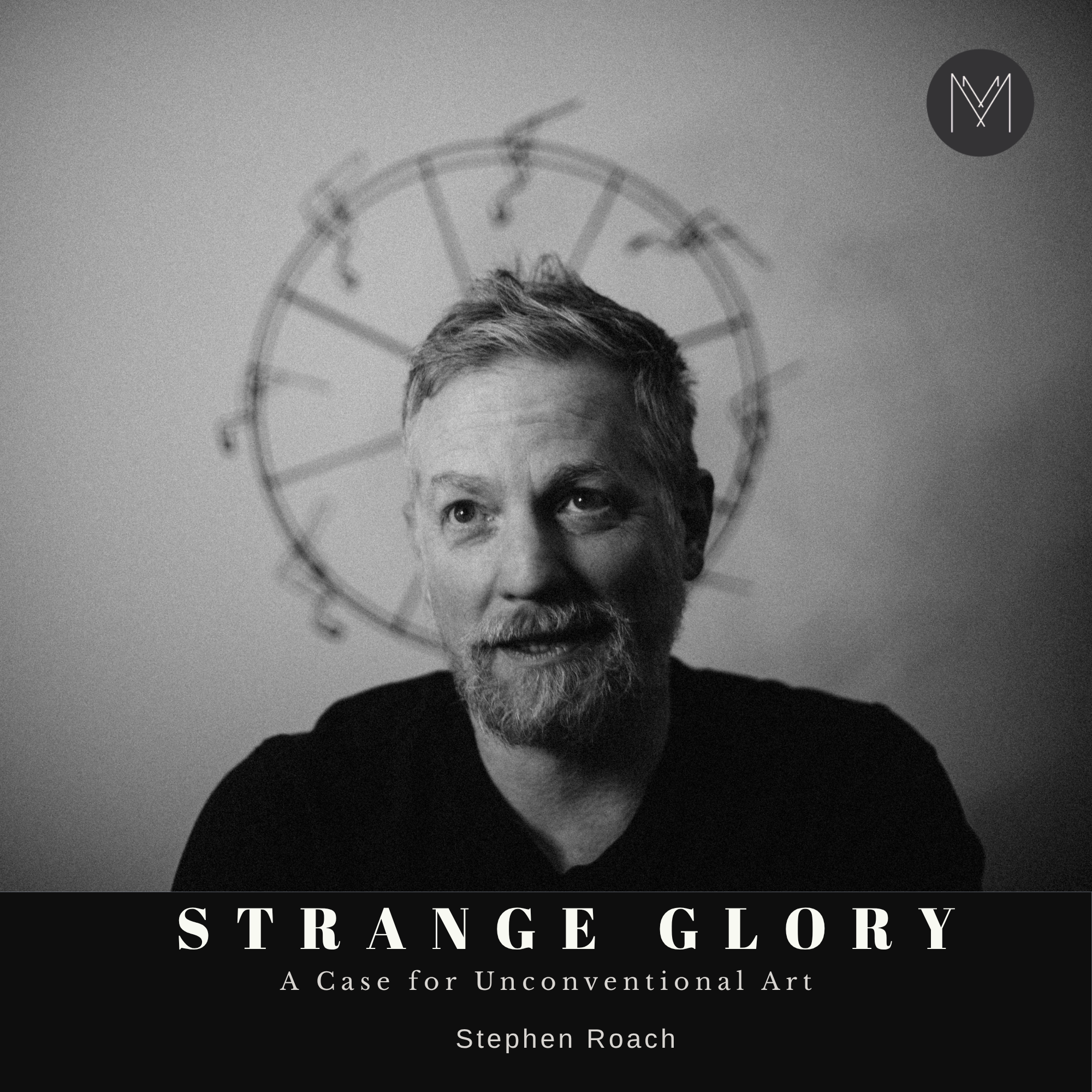
In this episode of Makers & Mystics, Stephen Roach sits down with acclaimed author Daniel Nayeri to explore the relationship between storytelling, meaning-making, and identity. From the stories we tell to make sense of our lives to the narratives that connect us to one another, Daniel reflects on why storytelling is essential to the human experience and why isolation leaves us without someone to share our stories with.
Daniel discusses his imaginative new novel, This Is a Door, a visually inventive hero’s journey about a boy searching for his identity and his purpose. Along the way, we explore the relationship between imagination and faith, the creative practices that help artists cultivate their work, and the often-overlooked purpose of beauty. For Daniel, art is more than personal expression or professional achievement. It is a form of service: an offering of beauty, meaning, and truth that can sustain another person when they need it most.
In this episode, we explore:
Why storytelling is essential to human connection and our search for meaning.
How imagination and faith intersect, and why so much of the spiritual life is left to the imagination.
The search for identity, purpose, and belonging at the heart of Daniel’s novel This Is a Door.
How creative discipline, deep focus, and everyday practices help artists cultivate their imagination.
About Daniel Nayeri
Daniel Nayeri is an acclaimed author whose work spans fiction, memoir, and books for young readers. His writing explores storytelling, identity, faith, and the ways we make meaning of our lives. His novel This Is a Door is an imaginative exploration of the hero’s journey and the search for identity and purpose.
Read More