
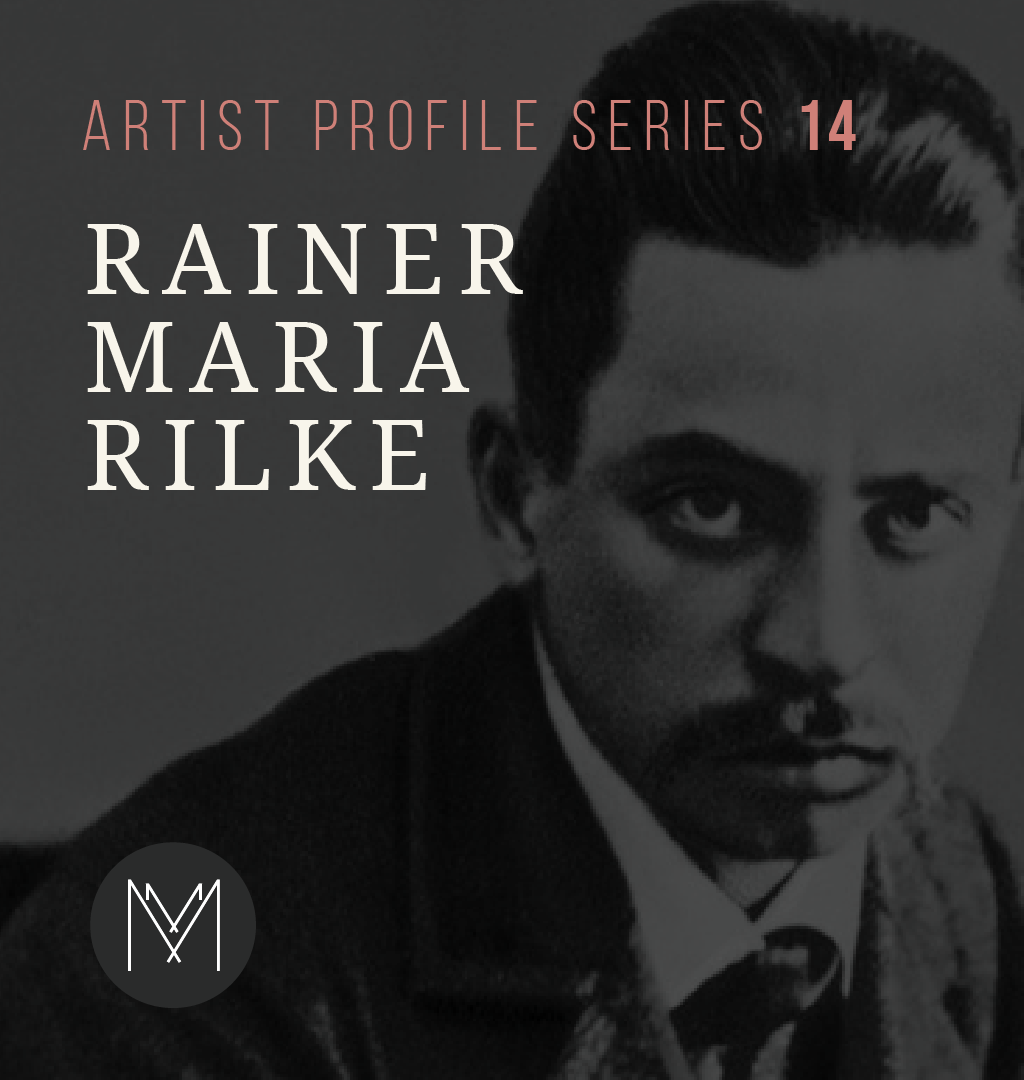
Artist Profile Series 14
What can poet Rainer Maria Rilke teach us about the relationship between artistic necessity and spiritual longing?
In this Artist Profile episode, Stephen Roach explores the life of Rainer Maria Rilke, one of the most influential poets of the twentieth century. Known for his lyrical reflections on beauty, solitude, love, and the human condition, Rilke's writing emerged from a deeply personal journey marked by childhood loneliness, spiritual longing, and an unwavering devotion to his creative calling.
Although Rilke's early experiences of Christianity left him disillusioned with conventional religious practice, his encounter with Renaissance religious art and the spiritual traditions of Russia awakened a deeper longing for God. This journey found expression in The Book of Hours, a collection of poems that reads like an extended conversation with the divine. Through these writings, Rilke explored the mystery of God's presence, the tension between intimacy and distance, and the ways spiritual longing might find expression through art.
One of Rilke's most enduring contributions was Letters to a Young Poet, a series of letters offering guidance to an aspiring writer on the demands of the creative life. In them, Rilke insists that authentic art must emerge from an inner necessity rather than a desire for approval or recognition. His counsel invites artists to turn inward, listen deeply, and discover whether their creative calling is rooted in the deepest places of their being.
Reflecting on Rilke's life and writings, Stephen considers the relationship between artistic authenticity and spiritual devotion. Perhaps the desire to create and the desire to encounter God are not separate pursuits, but expressions of the same longing—a resolve to live from the deepest and most authentic place within us.
Research by Morgan Chin Yee
Music By Aaron Strumpel